A Small Business Guide to Better Food Photography
They say we eat with our eyes first. Think about a sizzling plate of fajitas or the crunch of fresh bread; those sensory cues tell our brains exactly what we want before we ever take a bite.
For restaurant or bakery owners, professional photography often feels like a luxury that neither the budget nor the schedule allows. But you don’t need a massive studio to stop people mid-scroll. You just need to move beyond snapping a quick photo of your display case.
Here is how you can transform your menu and social media photos today using a simple, DIY approach.
1. Set the Stage
The "hero" of your photo is always the food, but the hero needs a decent stage.
Pick an Interesting Surface: Skip the distracting patterns. Use natural materials like an acacia wood tabletop or an old oak butcher block.
Add Visual Texture: Small touches like a dusting of flour or a simple plate can add depth without drawing the eye away from the main dish.
Keep it Clean: A common mistake is leaving residue or oil bits from a previous dish on your surface. Always wipe down your tabletop before you start.
2. Master Simple Lighting
Lighting is the difference between food that looks appetizing and food that looks "off."
The 90-Degree Rule: Use a strong, diffused light source (like sunlight through a window) coming in from the side at a 90-degree angle.
Kill the Shadows: Harsh shadows are distracting. Place a simple piece of white cardboard or a cardboard box on the opposite side of your light source to bounce light back and "open up" those dark areas.
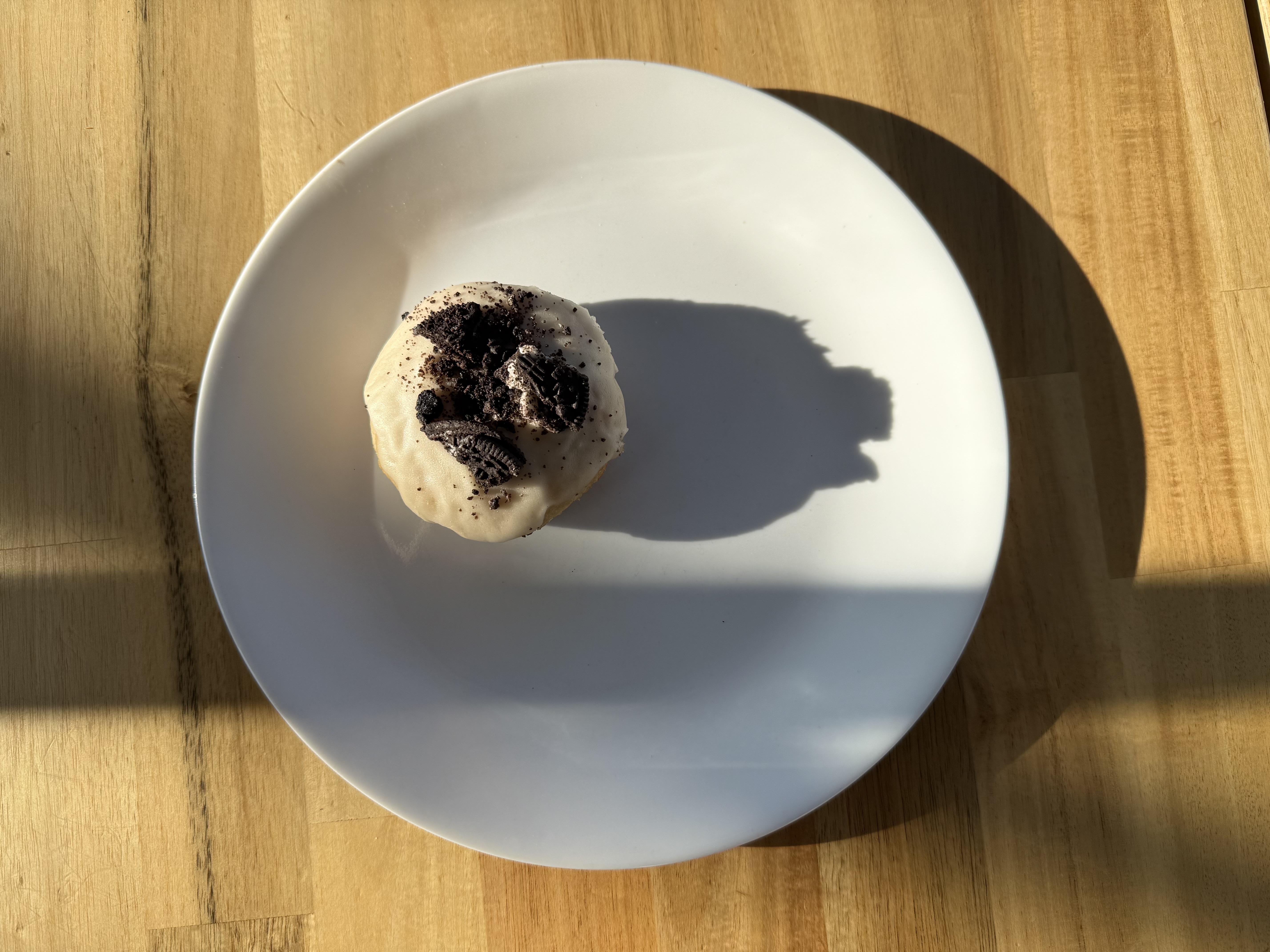
Watch the Color: Be careful mixing yellow indoor lights with blue-toned sunlight, as it can create an awkward, unnatural look.
3. The Four Essential Angles
Don’t just take one photo and call it a day. For every item you photograph, try these four angles to give yourself options:
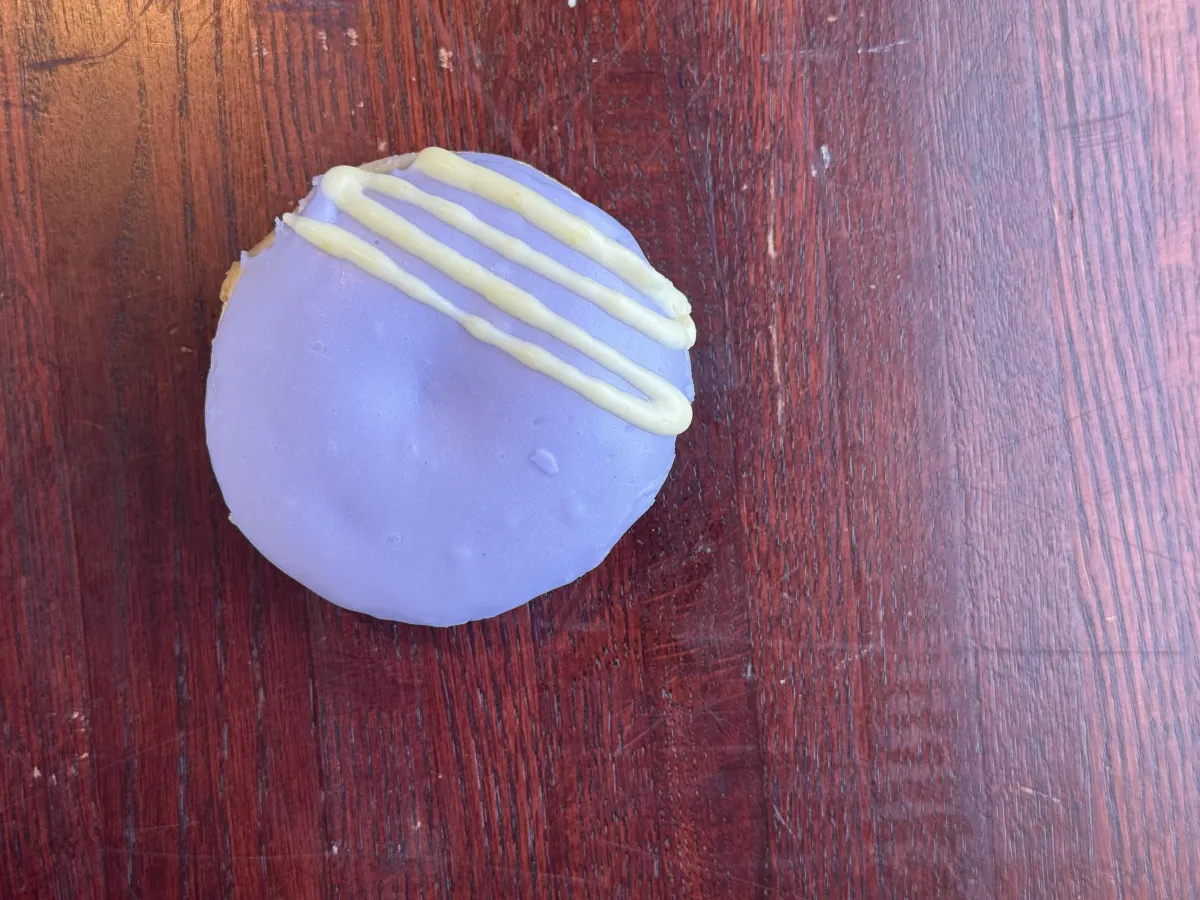
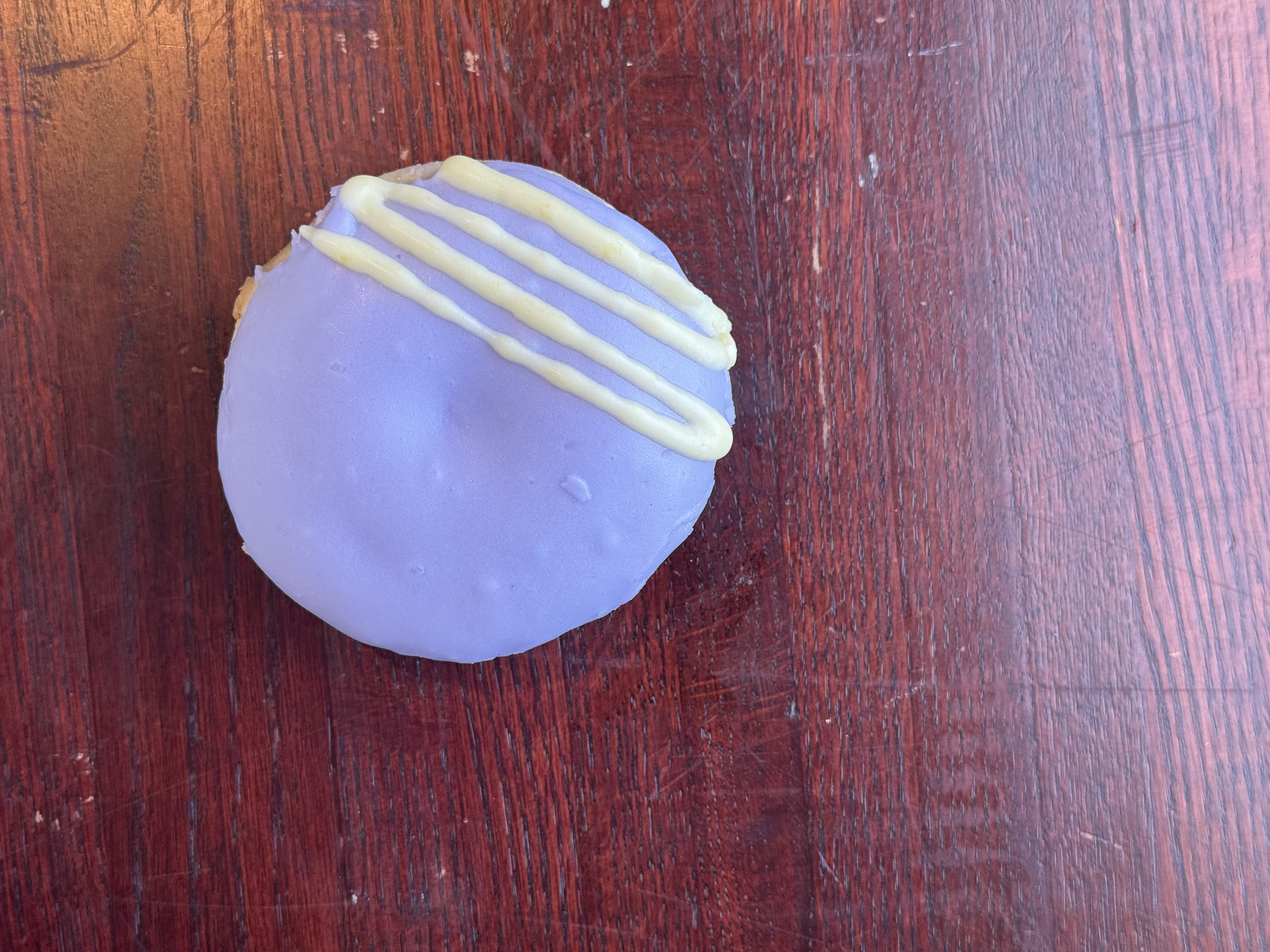
Straight Down: Perfect for highlighting garnishes and the overall shape
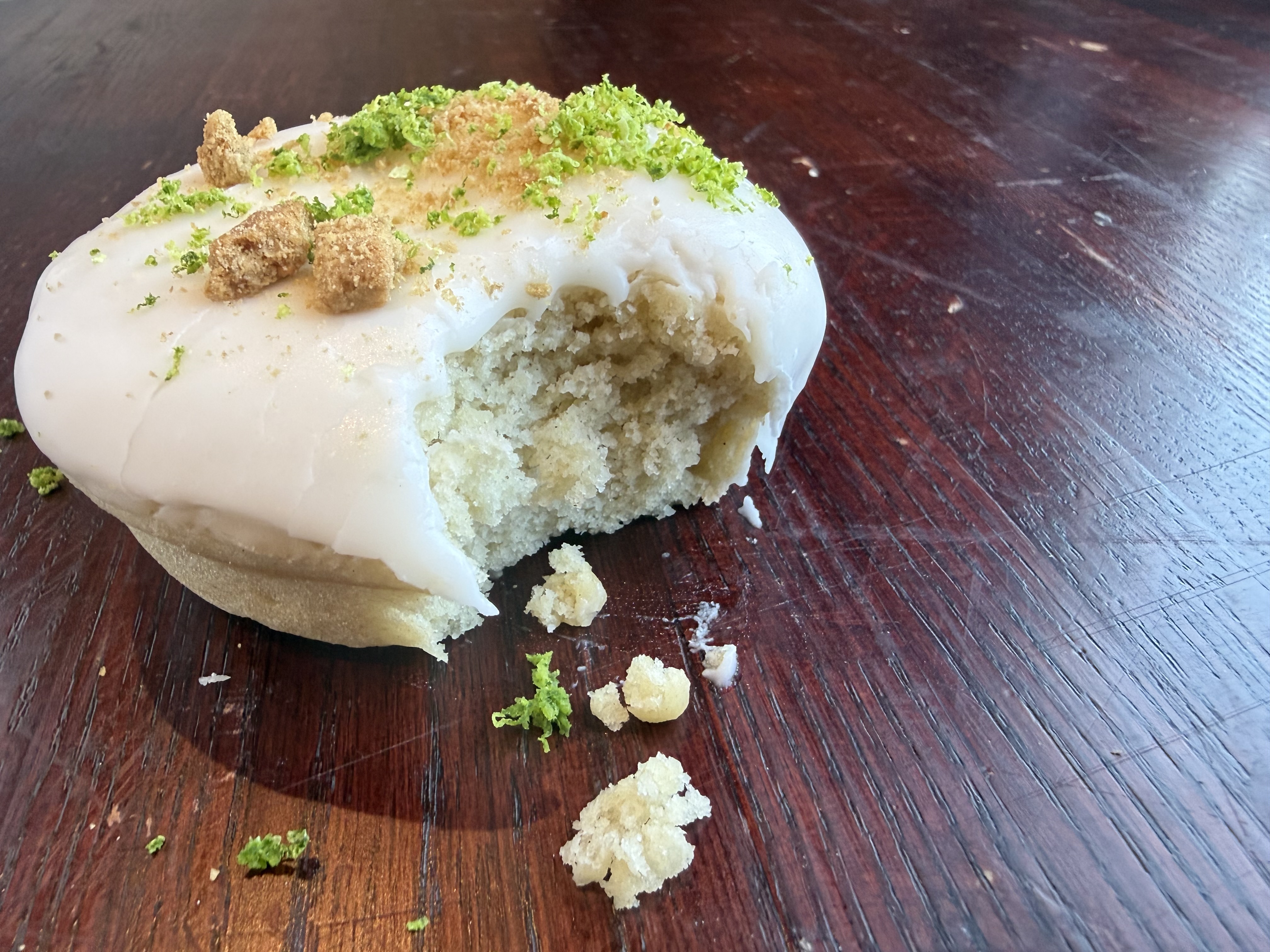
45-Degree Angle: This classic shot shows both the top and the side of the food.
Straight On (Flat): Great for stacked items or showing the height of a dish.
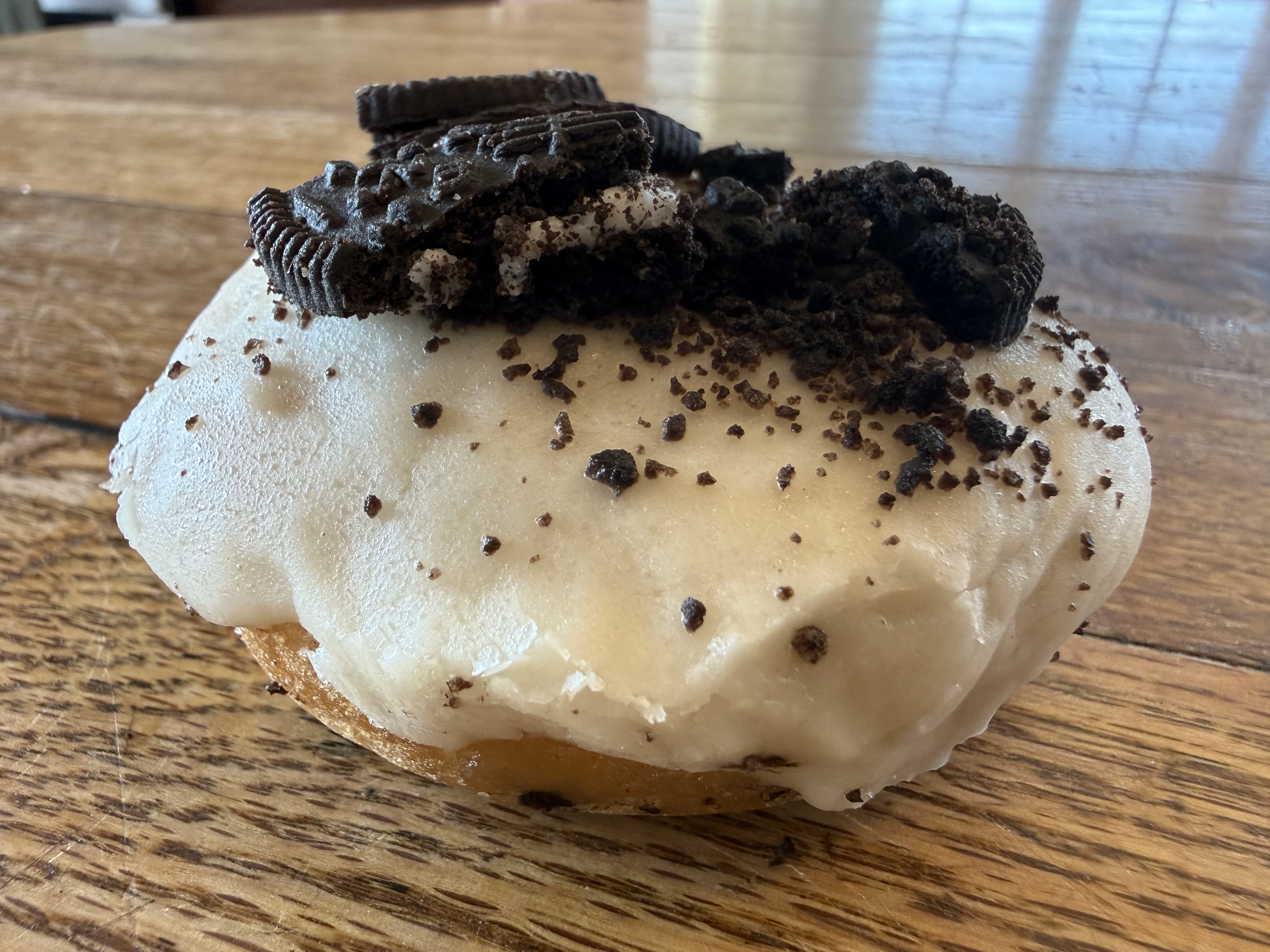
The Macro (Close-Up): Get tight on the details—like the texture of the interior or the frosting layer—to make the viewer feel like they can almost taste it.
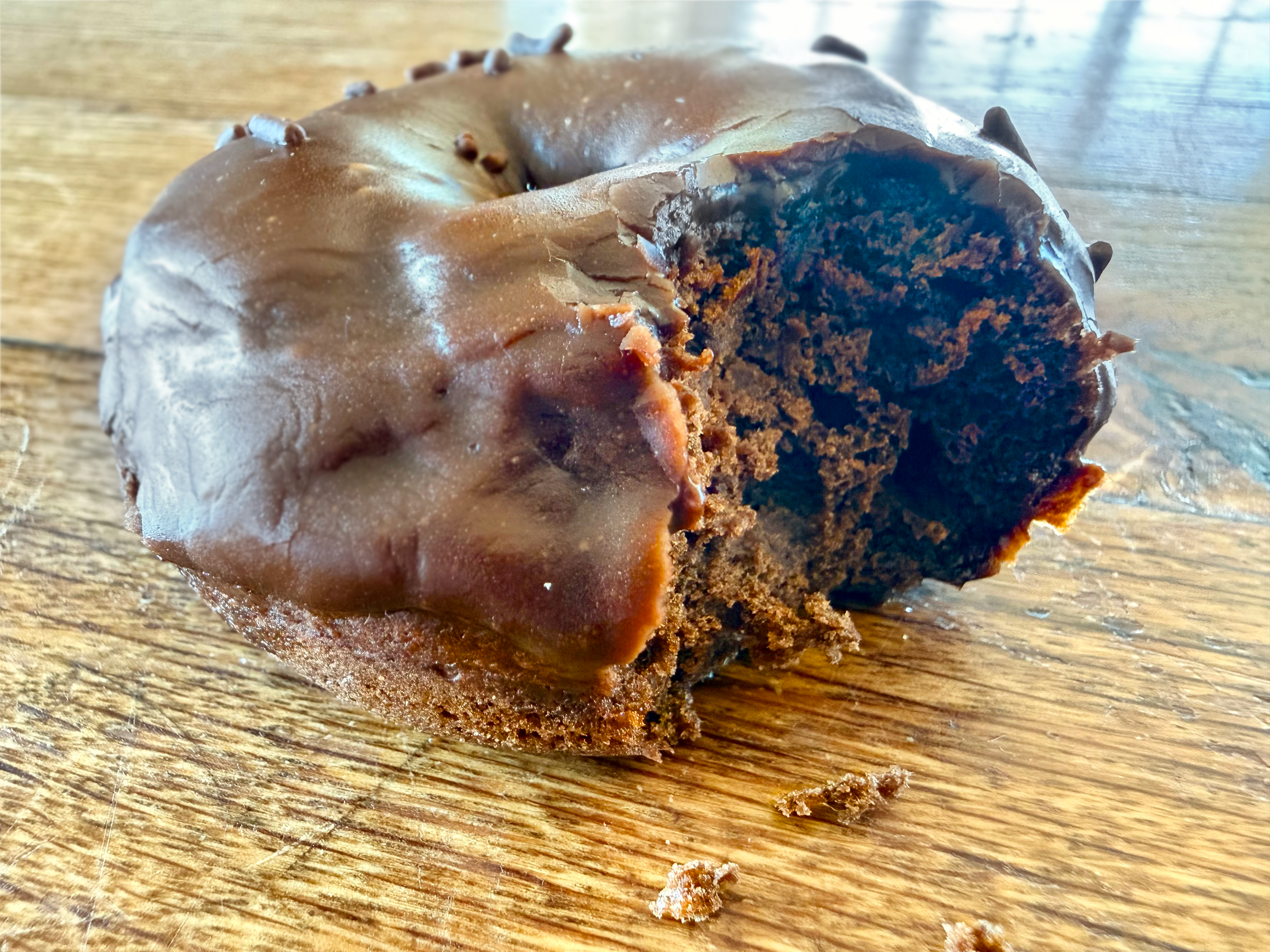
4. Edit with Restraint
If you use your phone's Portrait Mode, it can help the food "pop" by blurring a messy background. When it comes to filters, however, less is more.
Consistency is Key: If you apply a warm filter to one photo and a cool filter to another, your feed will look disjointed.
Branding: You can use tools like Canva to add your logo. Keep it small—about 15% of the space—so it doesn't overpower the food.
The Bottom Line: Does it Work?
In a recent test with a local shop, photos of donuts sitting in their display case were replaced with these simple, staged DIY photos. The result? The better photos earned nearly the same amount of engagement in just four hours that the old photos took two weeks to achieve.
Better photography helps people experience your food before they ever buy it. Take the extra five minutes to set the scene, find the light, and capture the right angle—your customers’ appetites will thank you.
